Pet Care
Pet Grooming Certificates and Testing: What DTC Brands Should Verify
Pet shampoos fall outside cosmetics law on both sides of the Atlantic — no agency screens them before launch. The certificates, batch tests and claim documents a DTC brand should verify.
Pet grooming products sit outside cosmetics regulation in both the US and the EU — which means no regulator pre-checks them for you. In the US, a plain grooming shampoo is simply a grooming aid outside FDA's cosmetics framework; in the EU, the applicable baseline is the General Product Safety Regulation (EU) 2023/988. The quality burden therefore moves onto your brand. Before you commit to a private-label pet line, verify five things: factory certifications (GMPC, ISO 22716), a certificate of analysis for every batch, preservative-efficacy (challenge) testing, stability data, and documents that back every claim on your label. Here is what each one covers — and what a credible manufacturer can put on the table.
The rules are thin — until your claims change them
In the US, the FDA states plainly that it regulates medicated shampoos but not cosmetic shampoos for animals: a cleaning or coat-care product is a grooming aid, outside the agency's cosmetics framework. Two things change that picture. Therapeutic claims — a shampoo that treats a skin condition — push the product into new-animal-drug territory requiring FDA (CVM) pre-market approval. And flea-and-tick claims bring it under EPA pesticide rules. In the EU, pet grooming products are not cosmetics at all, because cosmetics law applies to human use only; the baseline is GPSR (EU) 2023/988, which expects traceability, warnings and safe-use instructions. A single biocidal claim can still pull a product into BPR — the same boundary we mapped in our “EPA and BPR compliance guide”. Where a market does demand entry certificates, they are issued by accredited bodies: coordinate with your manufacturer on the documents, but treat the certificates themselves as the certifier's product, not the factory's.
Five documents to verify before you sign
Ask a prospective pet grooming manufacturer for these five, and read what comes back carefully.
- Factory certifications. GMPC and ISO 22716 certification tells you the line runs under cosmetic-grade quality systems — the same standards used for human skincare production, which is exactly what skincare-grade pet care should mean. Ask for the certificates themselves, not the logo on the website.
- Batch COAs. A certificate of analysis should accompany every production batch, covering microbial limits, pH and batch traceability at minimum. If a supplier can show a COA for a sample but not for your production run, that is a finding, not a formality.
- Preservative-efficacy testing. The challenge test (USP <51> / ISO 11930) deliberately introduces reference organisms into the product and measures whether the preservation system holds. A water-rich pet shampoo without a challenge test on file is a shelf-life gamble.
- Stability data. Accelerated and real-time stability studies are what justify the shelf life printed on the label — and they matter more for pet products, which tend to live in humid bathrooms and hot cars.
- Claim documents. Every label claim needs something behind it: test data, ingredient documentation or a regulatory analysis. If a claim cannot be evidenced, the compliant move is to reword it before printing — which is why we flag these lines during label review, before anything goes to press.
How we put documents on the table
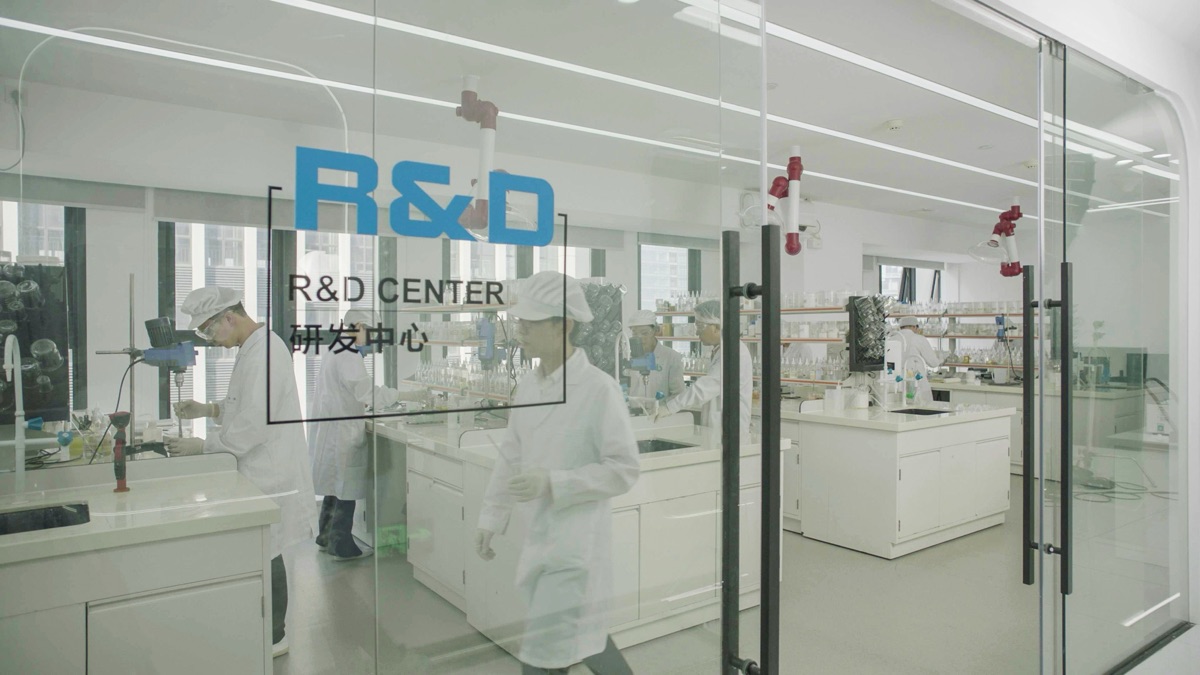
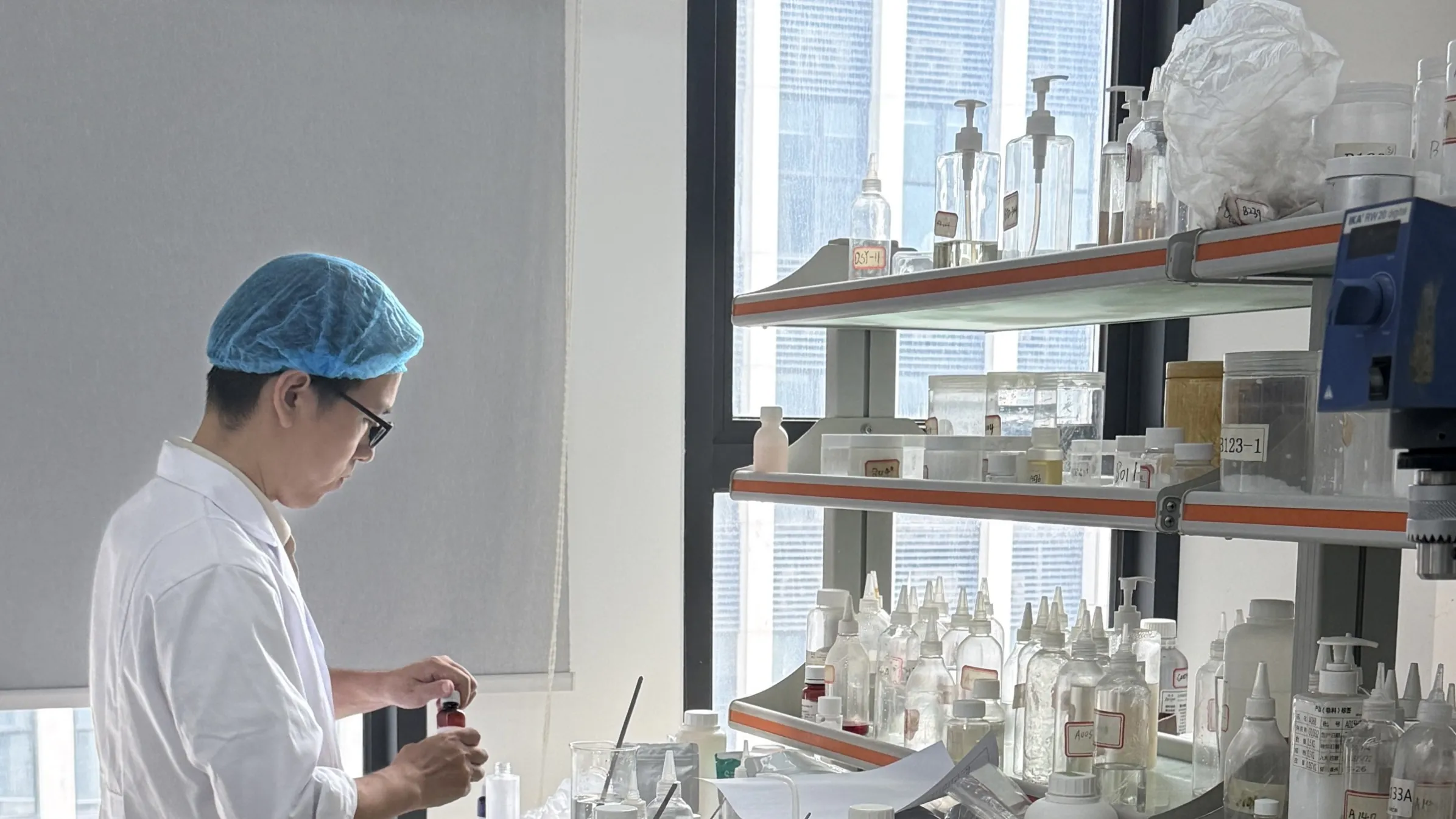
Our pet grooming line runs on GMPC and ISO 22716 certification — certificates available on request — inside a class-100,000 workshop, with an in-house CMA-accredited testing laboratory. Every batch is tested before it ships, and our testing spans twenty-three testing capabilities across safety, stability, usability and efficacy. For market entry we coordinate the documentation side — product test reports, customs papers, platform onboarding files — while the certificates themselves are issued by the accredited bodies in your market; we do not act as a certification agency. If you are comparing manufacturers, the “complete OEM guide” walks the whole engagement end to end.
Do pet shampoos need pre-market approval?
Not for plain grooming aids in the US — FDA regulates medicated shampoos for animals, not cosmetic ones, and the moment claims turn therapeutic or pesticidal, different regimes apply. In the EU there is no cosmetics route at all; GPSR sets the general safety baseline. Because regimes evolve, confirm current requirements with the relevant regulator or an accredited body before launch.
What certificates should I ask a pet grooming factory for?
At minimum: GMPC and ISO 22716 certificates for the factory, a COA for each production batch, preservative-efficacy and stability reports for your formula, and the document pack your sales channels require — platform onboarding files and customs papers among them. If a supplier hesitates on any of these, treat that as information too.
Does pet shampoo need FDA certification?
There is no such thing as an FDA product certification for pet shampoo. In the US, plain grooming aids sit outside FDA's cosmetics framework; our own facility holds an FDA facility registration — a registration, not a product certification. Claims, not certificates, are what trigger additional regulation.
The brands that win the premium pet shelf will be the ones whose claims stay quiet and whose documents speak loudly. To see the range built under this system, browse “our pet care range”, and for “MOQ and stock-formula strategy”, start there. When you are ready to compare document sets, “talk to our team”.