Market & Brand Development
GMP vs ISO 22716: How to Read a Skincare Factory's Quality Certificates
ISO 22716 is the certifiable GMP standard for cosmetics; a generic GMP claim may not be. Four checks to verify a skincare factory's quality certificates before you commit.
Every skincare factory pitch includes the word GMP. Far fewer pitches include a certificate that says what kind of GMP, audited by whom, against which standard, for which legal entity. The difference matters: ISO 22716 is the certifiable GMP standard for cosmetics, and reading a factory's quality certificates properly — four checks — tells you whether the claim is an audited fact or a self-declared adjective.
ISO 22716: the GMP standard written for cosmetics
ISO 22716 provides the Good Manufacturing Practice guidelines for cosmetic products, covering production, control, storage and shipment. Industry training treats it as the gold standard for cosmetics manufacturing, and third-party certification bodies audit and issue certificates against it. One nuance is worth knowing before comparing factories: ISO 22716 is a guidance-type standard rather than a management-system mandate like ISO 9001, so the depth of implementation can vary between certificate holders — which is exactly why the verification checks below matter.
What a generic GMP claim can mean
When a supplier says GMP certified without naming a standard, the phrase can describe anything from a self-declared internal practice to a full third-party audit. The term GMPC appears in the same loose way. Neither phrasing is dishonest by itself — but neither is verifiable on its own. The document that makes the claim checkable is a certificate stating the standard (ISO 22716), the certifying body, the scope and the validity dates.
Four checks before trusting a certificate
First, the issuing body: a third-party certification body with its own accreditation, not the factory certifying itself. Second, the scope: the certificate must cover cosmetics manufacturing — a quality certificate issued for a different product field says little about the line making your serum. Third, the validity dates: certificates expire and get re-issued, and the audit date matters more than the print date. Fourth, the certified entity: the legal name on the certificate must match the factory that will actually produce the goods, not a related trading company in another city.
Certificates are the floor, not the ceiling
A valid ISO 22716 certificate says the factory operates a GMP framework; it does not say your specific batch passed your specific tests. That is what the batch documents cover — the COA, SDS and free-sale certificates discussed earlier — and the contractual terms in a quality agreement. Certificates, batch documents and contract terms stack: each covers what the previous one cannot.
How to ask without offending
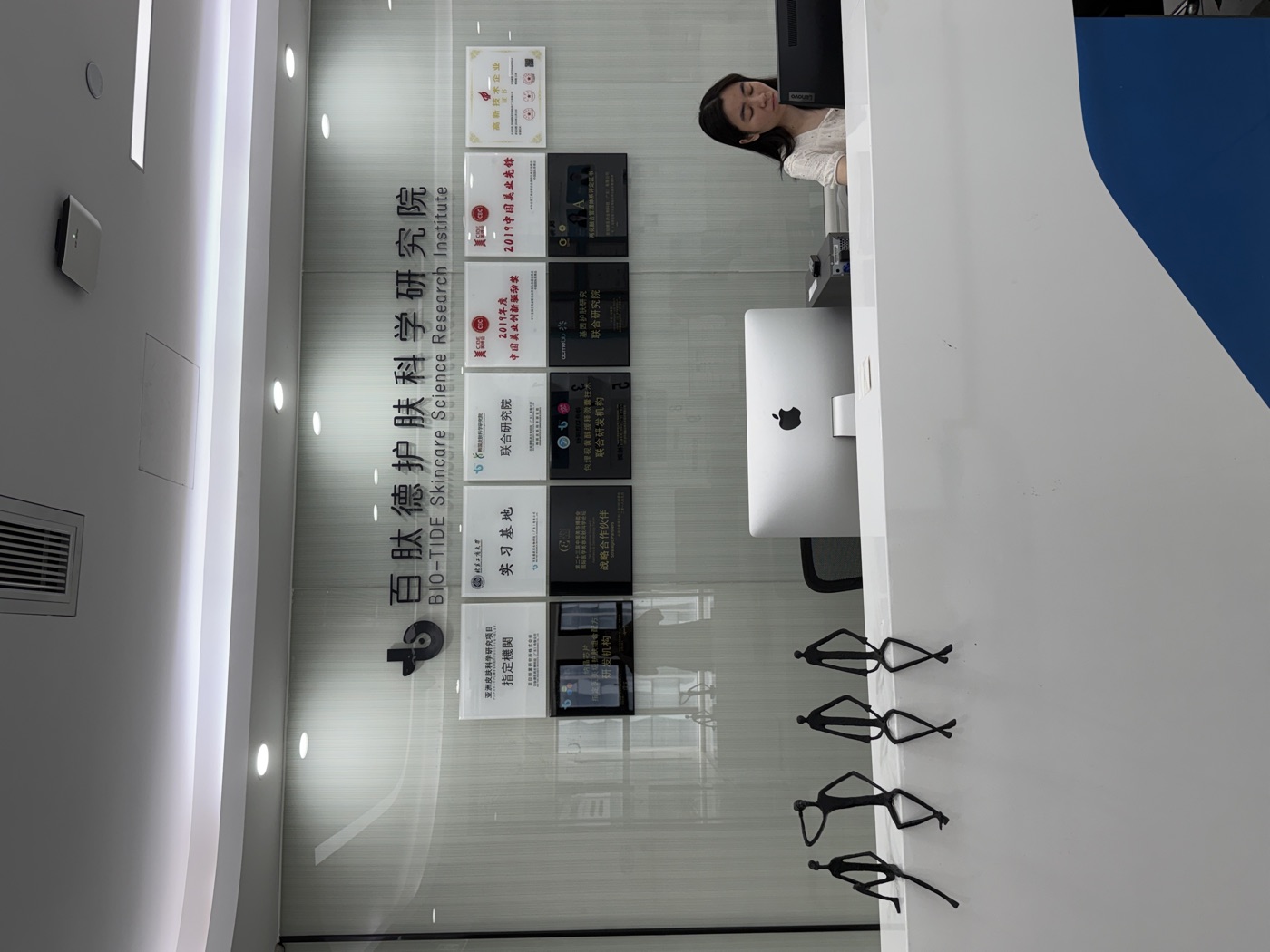
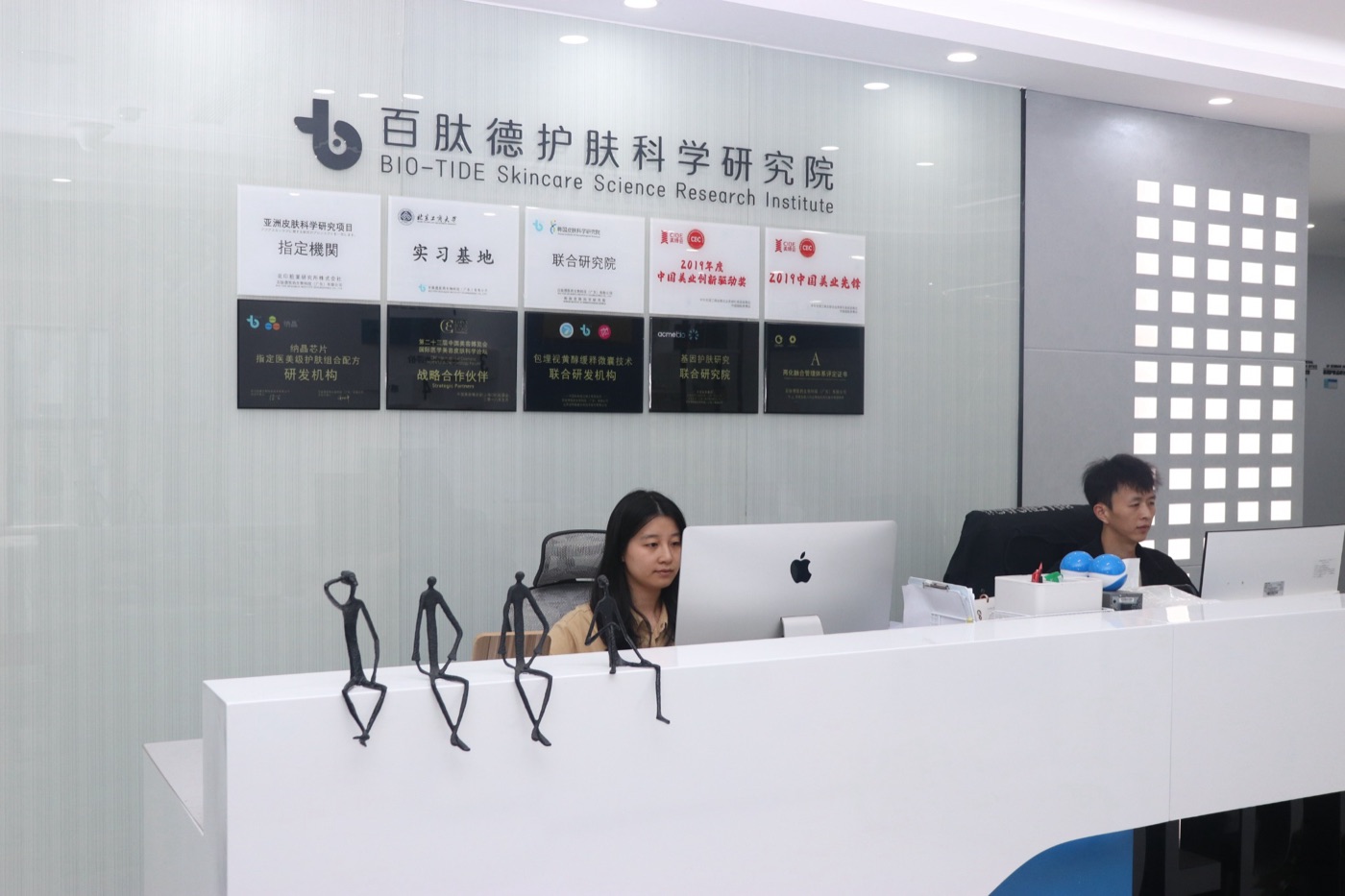
Asking for a copy of the ISO 22716 certificate, the issuing body's name and the certificate scope is a standard due-diligence request that organized manufacturers answer routinely — the same documents appear in export registration files. BIO-TIDE holds GMPC and ISO 22716 certifications and supplies copies with the export documentation set as a matter of routine.
Frequently Asked Questions
Is ISO 22716 mandatory for cosmetics manufacturing?
It is a guidance-type standard rather than a legal mandate in most markets, but it is the recognized GMP reference for cosmetics and is written into regulatory expectations in several frameworks. Certifiable third-party audit is what turns the guidance into evidence.
What is the difference between GMP and ISO 22716?
GMP is the practice; ISO 22716 is the standard that defines the practice for cosmetics and can be audited against. A certificate naming ISO 22716 and a certification body is verifiable; a claim of GMP alone is not.
How do I verify a certificate quickly?
Four checks: the issuing body's accreditation, the scope covering cosmetics manufacturing, the validity dates, and the match between the certified legal entity and the actual factory. Copies of valid certificates are a routine due-diligence request.
What should come with the certificates?
Batch COAs, the SDS, and the quality agreement that binds the specification to production. Certificates show the system; the batch documents and the contract show your goods and your terms.
To see BIO-TIDE's certificates and the documentation set that goes with them, talk to our team — they travel with the samples.